Exchange at Tokyo Zokei University
Published on: Tags: ExchangeTokyoTravel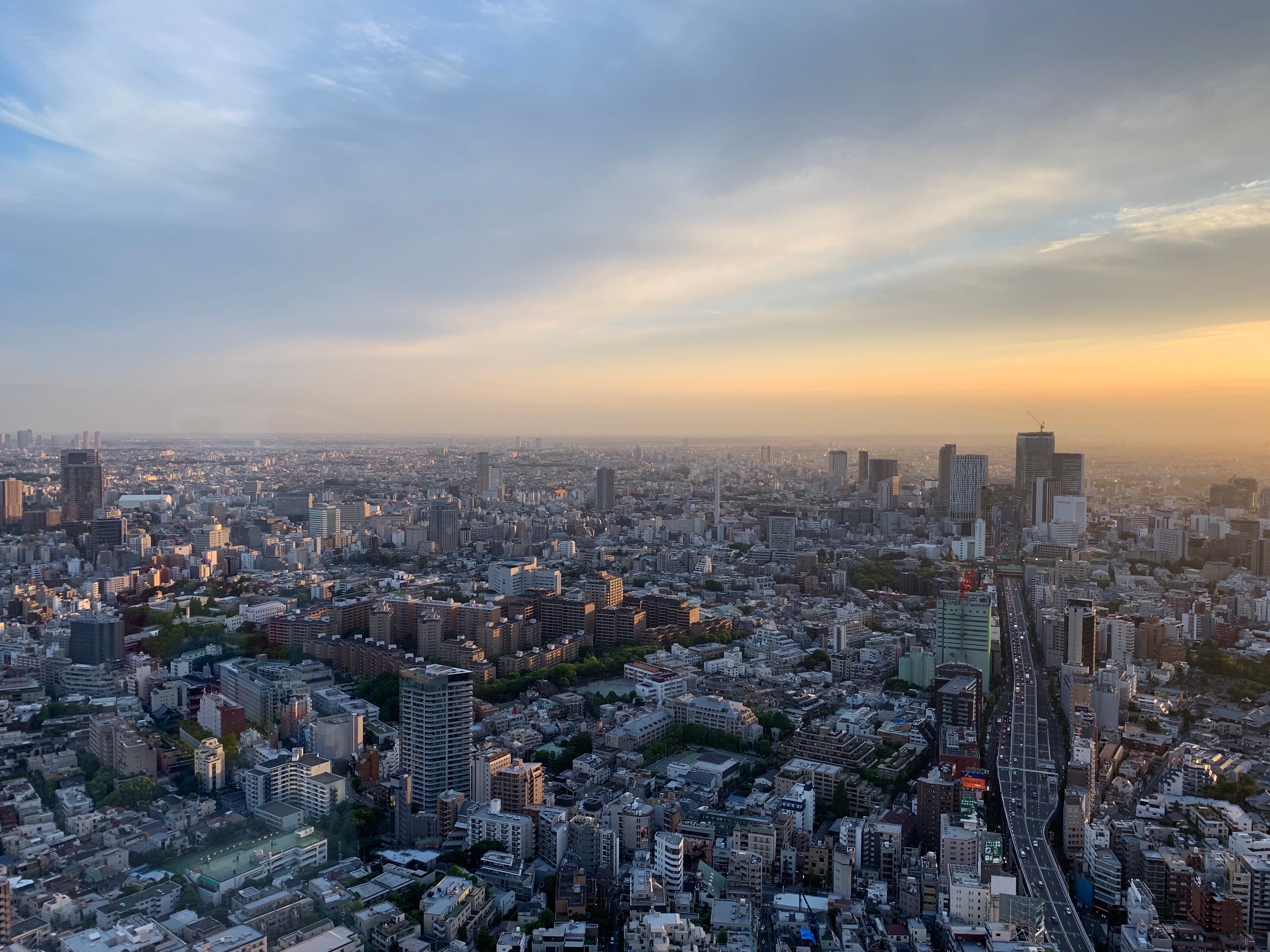
It’s about a 14-hour flight to Tokyo, to the other end of the world and into the largest metropolitan region on the planet. Tokyo and its many suburbs sit in the Kantō plain, surrounded by mountains, and the city just keeps spreading outward, seemingly without end. The weather changes a lot over the course of a semester: pleasant, if a little cold, in spring, a rainy period in June and July, and then very hot and humid in August. Better pack for everything.
Applying
Section titled ApplyingOnce the HfG confirms your exchange spot, you apply to the partner university directly. For Tokyo Zokei University (TZU) that means an application form, a CV, a motivation letter, and a project proposal. The visa process also starts here, since you need a certificate of eligibility before you can even apply for the visa itself.
The whole process is coordinated by Yoko Kuroha, who handles international affairs at Zokei University. She’s the person to go to with any question or problem along the way, and she’s always genuinely trying to help.
Housing
Section titled HousingYoko also sends over links to dormitories near the university. Those providers also have other options, for example closer to central Tokyo. That sounds nicer than it is, though, because prices climb fast the closer you get and a tiny room near Shibuya will easily run you 800 euros.
I went with a room in Fuchinobe instead, close to the university and on the route I’d be taking most often anyway. It’s also close to Machida, the next bigger town, where prices are roughly on par with larger German cities. The dorm holds around 100 rooms, and you make friends quickly. Most students are attending thenuniversity straight across the street. A few weeks after I moved in, two Dutch students arrived who, as it turned out, were also headed to TZU and studying graphic design as well. What a coincidence!
University and Students
Section titled University and StudentsComing from the HfG, TZU feels big at first. Compared to other universities, though, it’s still small, with under 2,000 students, and you quickly start recognizing the same faces around campus. The university has two departments: design and fine arts. Design includes a broad range of disciplines, from product design, to animation, to graphic design, but also film animation and textile design. Fine arts includes painting, sculpture. The university is focused on art, which is a different approach when coming from the HfG, where the research and theory behind a project is more in focus.
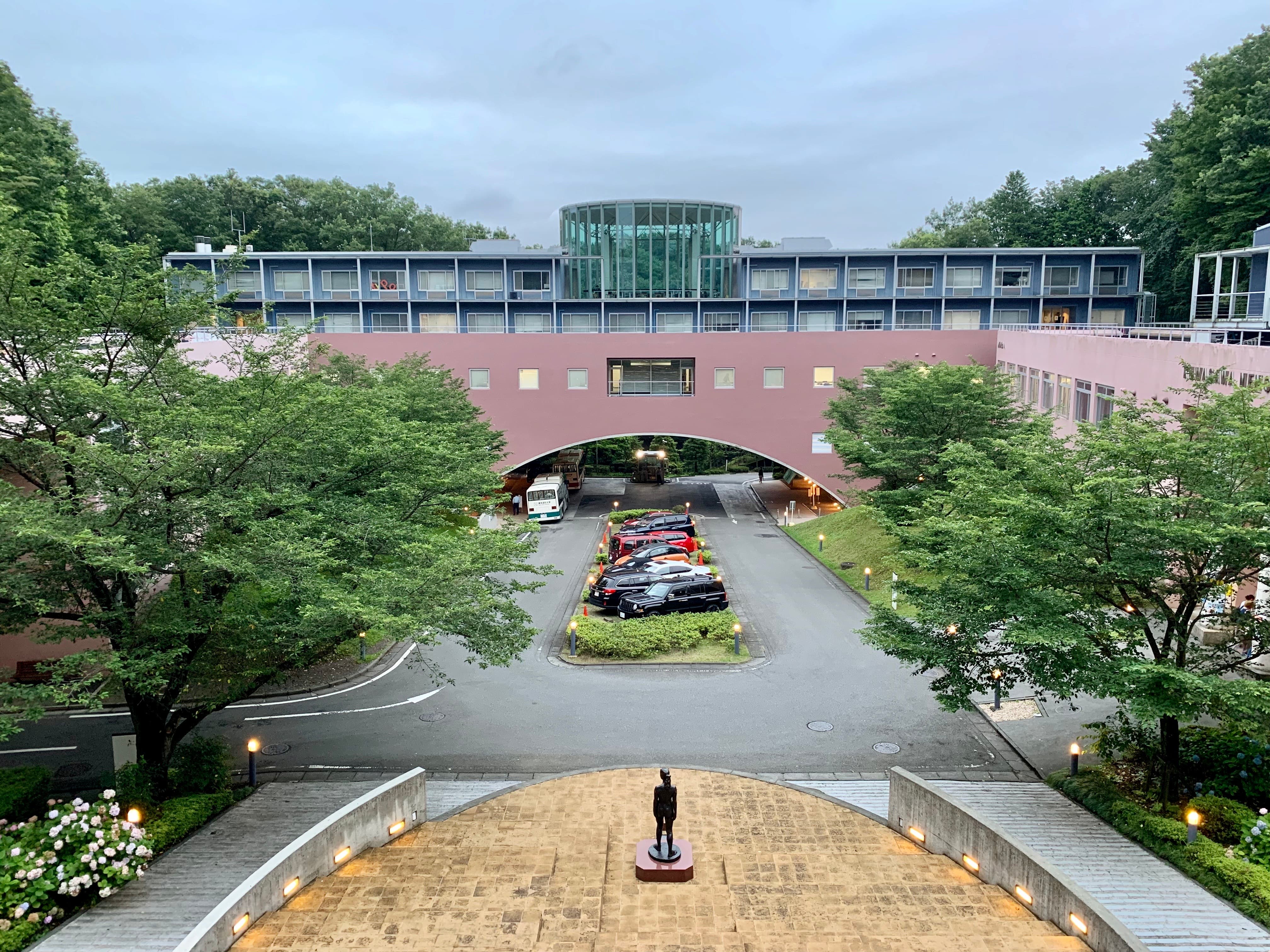
The university sits between the suburbs of Hachioji and Sagamihara, tucked into a forested hillside. Aside from students, you don’t hear much else out there. Despite feeling remote, the campus is easy to reach, thanks to a university-run bus line from the nearest station. During peak times buses run so frequently that you always make it to class on time, no matter how long the line looks.
The front part of campus houses the professors’ offices, lecture halls, and the library. Further back, in the “Creative Spiral,” you’ll find Animation, Film, Graphic Design, and Industrial Design, and further back still, in a newer building, the fine arts. There is also a well-stocked shop for tools and materials.
Tucked in between the forested hills of Hachioji and Sagamihara, the university’s tranquil atmosphere creates an inspiring and creative environment.
All of my professors spoke good English, though most students spoke only a little. Still, there were a few who spoke it well enough to talk to properly, and surprisingly many of them had already spent time on vacation in Germany. Professors clearly value a real relationship with their students, and we ended up meeting almost every lecturer for drinks at least once.
Getting Started
Section titled Getting StartedA few weeks before the semester starts, Yoko organizes an orientation: handing out student IDs, registering your address, and generally getting everyone set up. This is also where I met the other exchange students, five in total: aside from me, there are the two graphic design students from the Netherlands I mentioned earlier, one art student from the Netherlands, and one photography student from Sweden.
After a short campus tour, we also met our supervising graphic design professors, who suggested we sit in on their lectures: “Communication Design” from the third year, and “Information Architecture” from the second year. As a result, I ended up together with the other two graphic design students in almost every course.
Courses
Section titled CoursesCourses at TZU run on a yearly rhythm, meaning they switch between winter and summer semesters but the themes stay similar. After orientation, you can also sign up for elective courses alongside the required ones. There was everything from working with bamboo to a course on Zen, various courses on Japanese art history, and a surprising amount of sports classes.
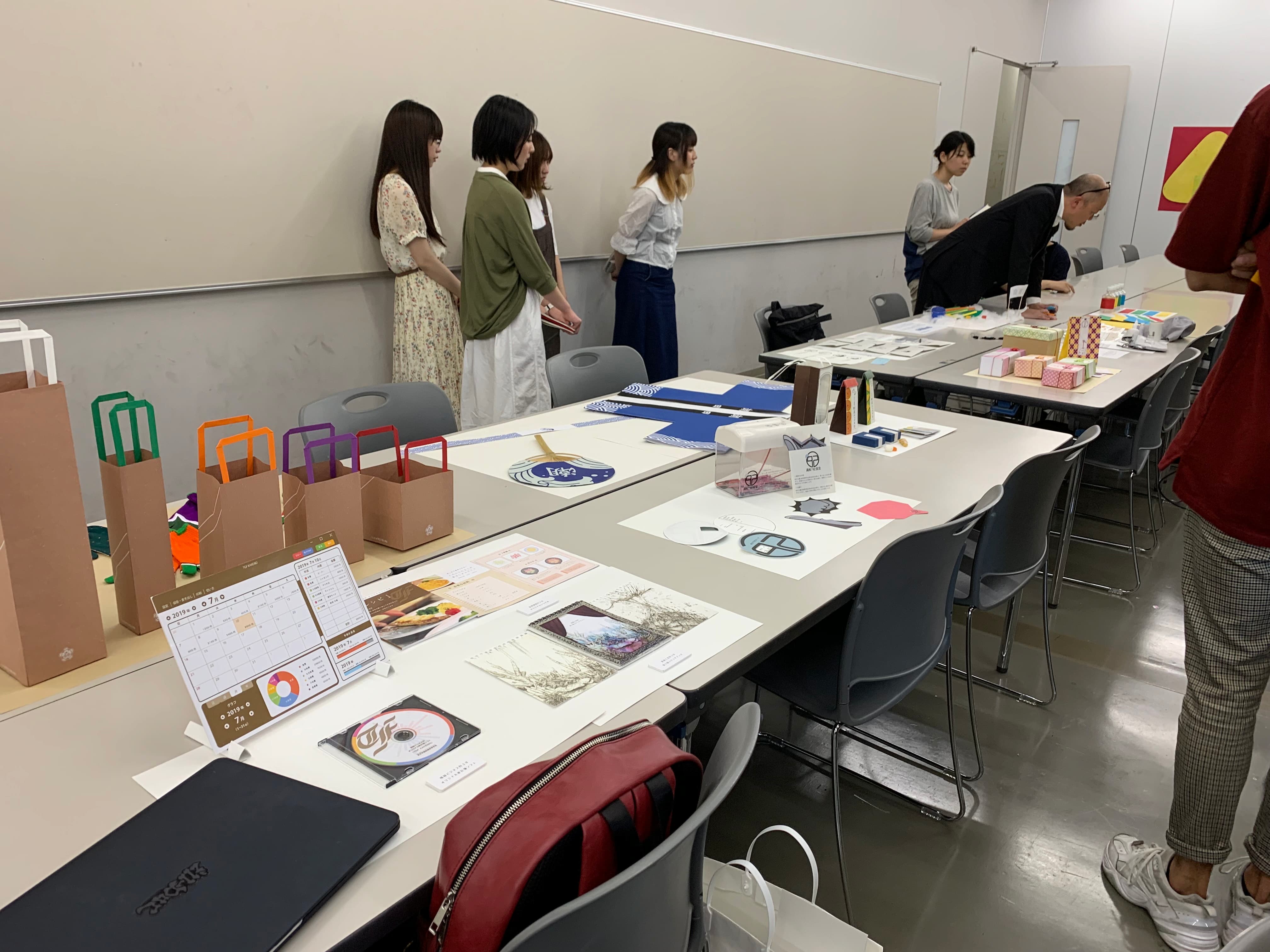
Unlike at the HfG, courses here are broken into several smaller assignments, each tackled individually over about four weeks. The pace is surprisingly fast at first, and it takes some getting used to. During class time, everyone’s work and progress gets discussed one after another, which can make sessions run long. For coursework, there are computer rooms and workshops spread across the graphic design floor. Printing up to A3 is cheap and easy to do yourself; larger formats are free for final submissions, but you’ll need to talk to the staff there, who don’t speak English.
Communication Design
Section titled Communication DesignThis course is taught by Osamu Misawa, who also runs his own studio in Tokyo. He quickly grasps the many different concepts presented each week and gives valuable feedback. If he notices a lack of progress though, his feedback tends to get noticeably shorter, too. The course consists of four assignments, each running four weeks. The topics are usually very open. The first assignment, for example, was just the word “Line” and nothing else. We were free to develop our concept however we liked, though posters and packaging design or branding work came up often. It takes some adjusting, and a lot of creativity, to make sense of so little direction on your own.
Progress gets presented every week, and Osamu gives short feedback. Being asked about the feelings my work was supposed to convey took some getting used to at first — compared to my previous projects, it was a genuinely new way of thinking about design. We spoke English with him and he translated for us into Japanese; the other students presented their projects in Japanese, and while you could usually tell what a project was about, Osamu translated most of those back for us as well.
Information Architecture
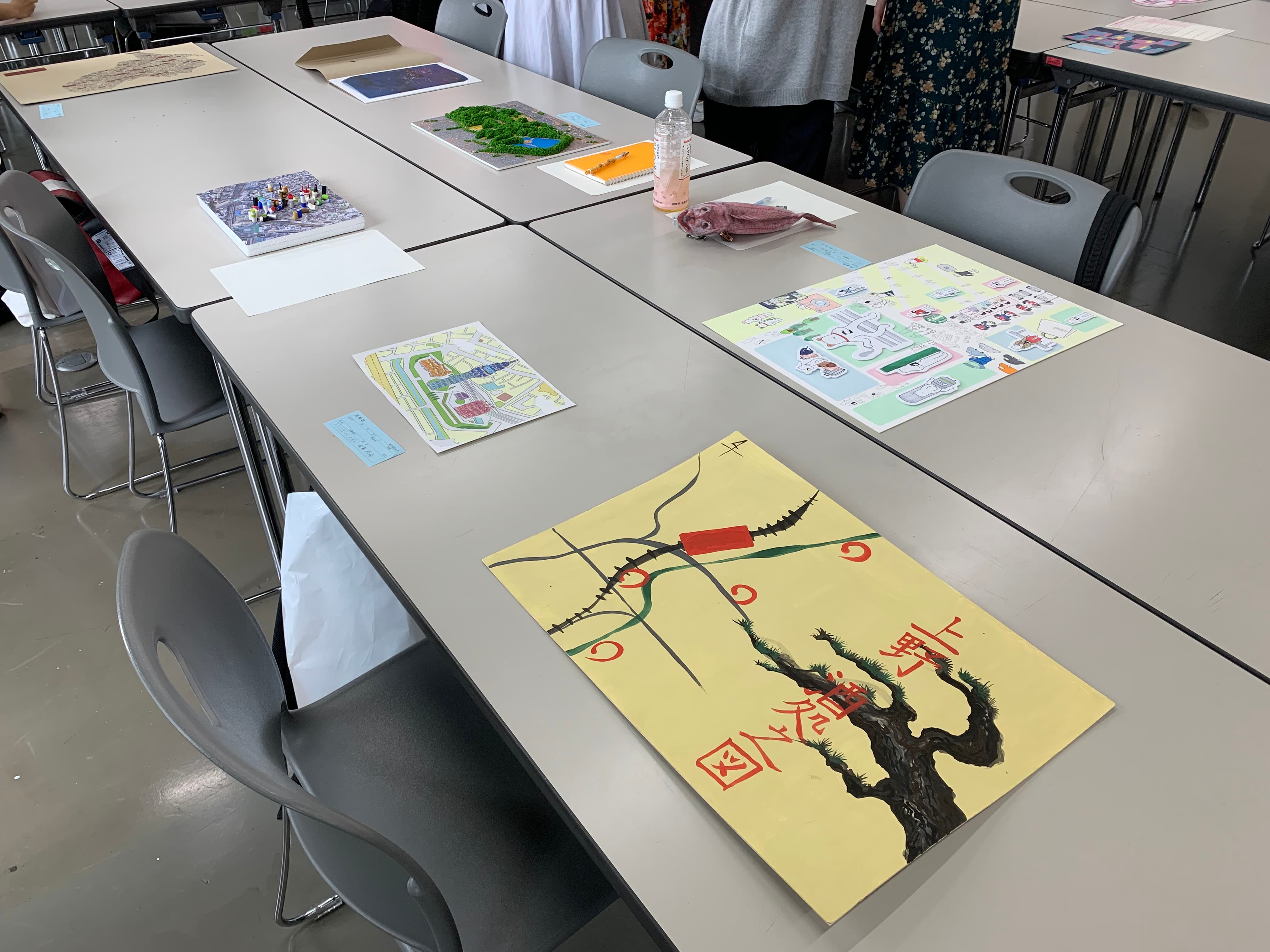
Section titled Information ArchitectureAs a second-year course, things are a bit calmer here than in Communication Design. It’s led by Chiharu Watabe, who isn’t a designer herself but an author of several books on design topics. The course is organized much like Communication Design, with weekly discussions, but puts less emphasis on visual execution and more on communicating content. One assignment, for example, was designing a poster for a zoo that had to convey both the zoo’s identity and practical information like directions.
Sustainable Forest Design
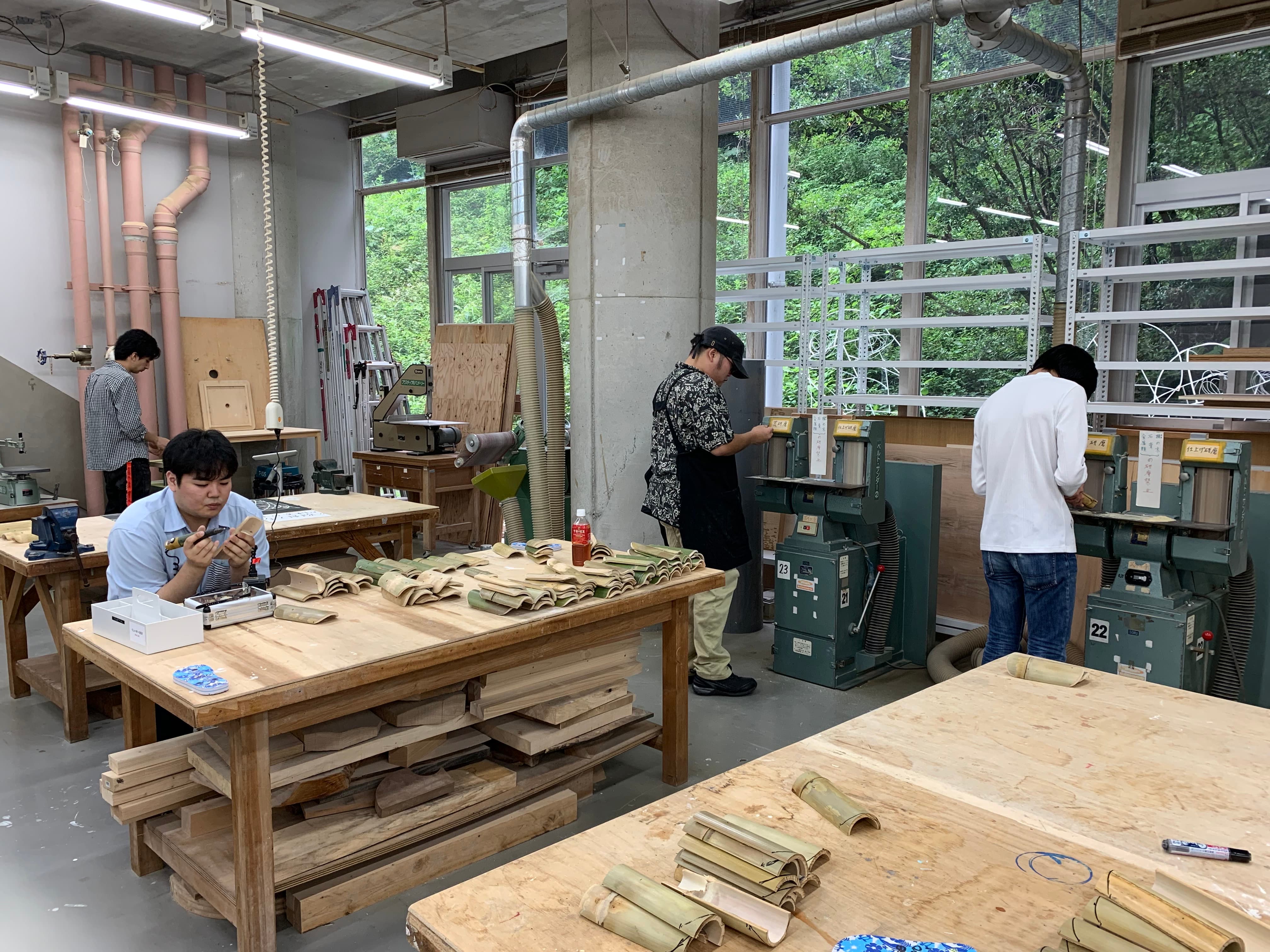
Section titled Sustainable Forest DesignThis course has two parts: a theoretical half about bamboo and its traditional and current uses, and a practical half where we made things ourselves. The instructor, Daichi Iwase, also leads the exchange program and is very committed to bringing us together with the Japanese students. He also works with a partner in Indonesia on bicycles that are partly made of bamboo. Working in the workshop with bamboo, alongside the Japanese students, was one of my favorite parts of the semester.
Tradition and Innovation in Japanese Culture
Section titled Tradition and Innovation in Japanese CultureTo learn more about art in Japan, I signed up for a course taught by Mayumi Kayaba, an art historian, where I ran into pretty much all of the other exchange students again. With only the four of us, the class is small enough to run entirely in English. Here I learned things like ink wash painting, which is closely tied to Zen, alongside Japanese history more broadly.
Create Your Zen Space
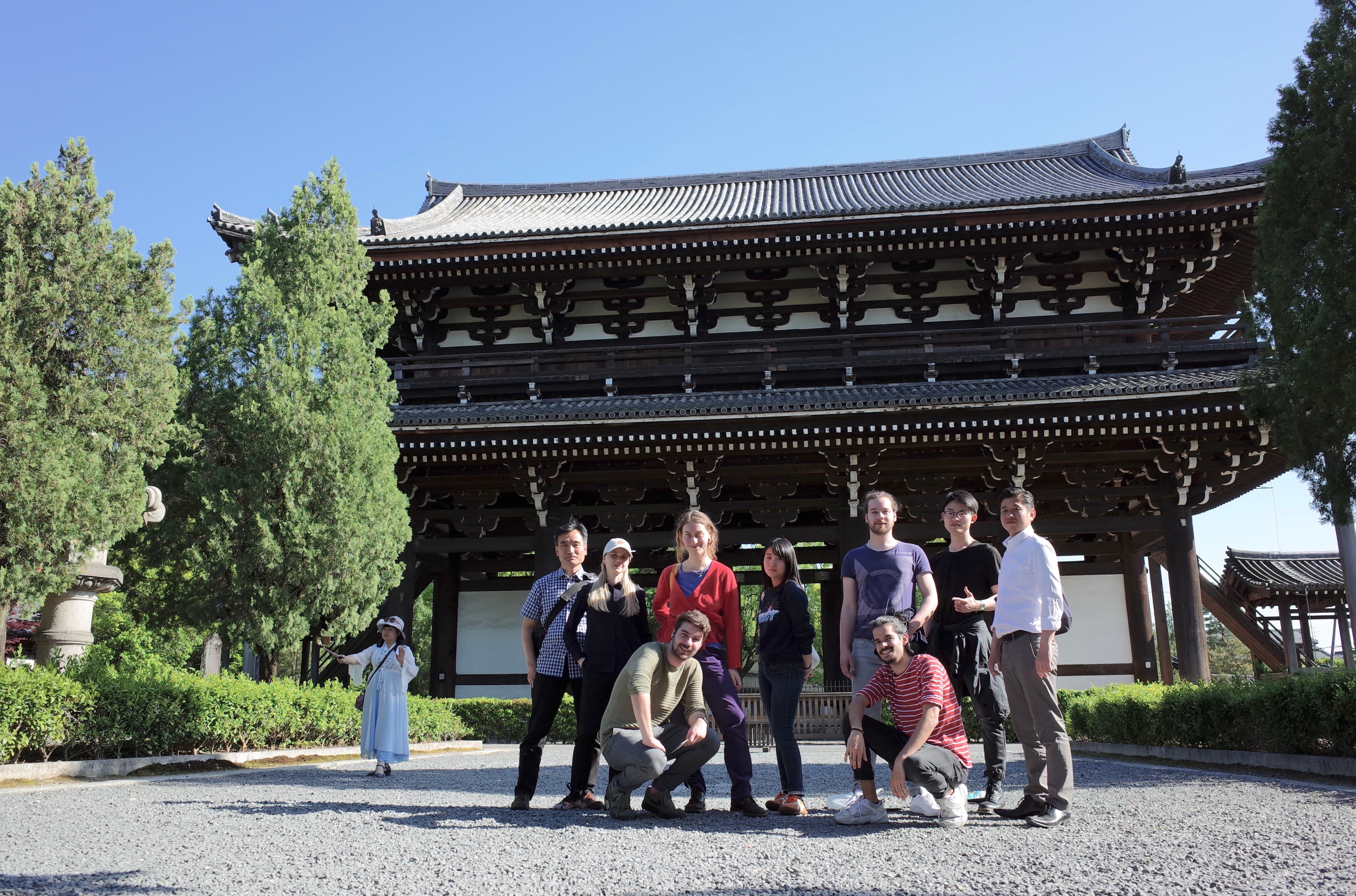
Section titled Create Your Zen SpaceThis course goes deep into Zen Buddhism in Japan. It’s split between classic lectures on Zen and a week-long trip to Kyoto, where we had a guide from a local university showing us many important temples and gardens. The more remote temples especially, the ones you won’t find in any guidebook, were fascinating. Experiencing them quietly in the early morning was something special, especially with the Golden Week crowds pushing through Kyoto everywhere else. We also got to sit in on a 40-minute meditation and talk with monks about their motivations and thinking. A rare opportunity. We built small stone garden models and tried our hand at calligraphy. The instructor, Mashu Takubo, studied in Austria at some point and still speaks a bit of German.
Sport
Section titled SportI also signed up for a sports course, and this is where I ended up with the most contact with Japanese students, since there was only one other exchange student in the class. You often play in small teams, unlike most other courses, where you spend a lot of time just listening.
Life
Section titled LifeFuchinobe, the suburb I lived in, is a quiet place where people mostly live but commute to Tokyo or Yokohama for work. There isn’t much more than a supermarket, but it has everything you need. After enough visits to the local Asian grocery store back home, walking into an actual supermarket in Japan for the first time feels like something special. Around the clock, you can also get the essentials at a conbini, or fully embrace the convenience-store-ready-meal lifestyle. You can even withdraw cash there easily with a credit card.
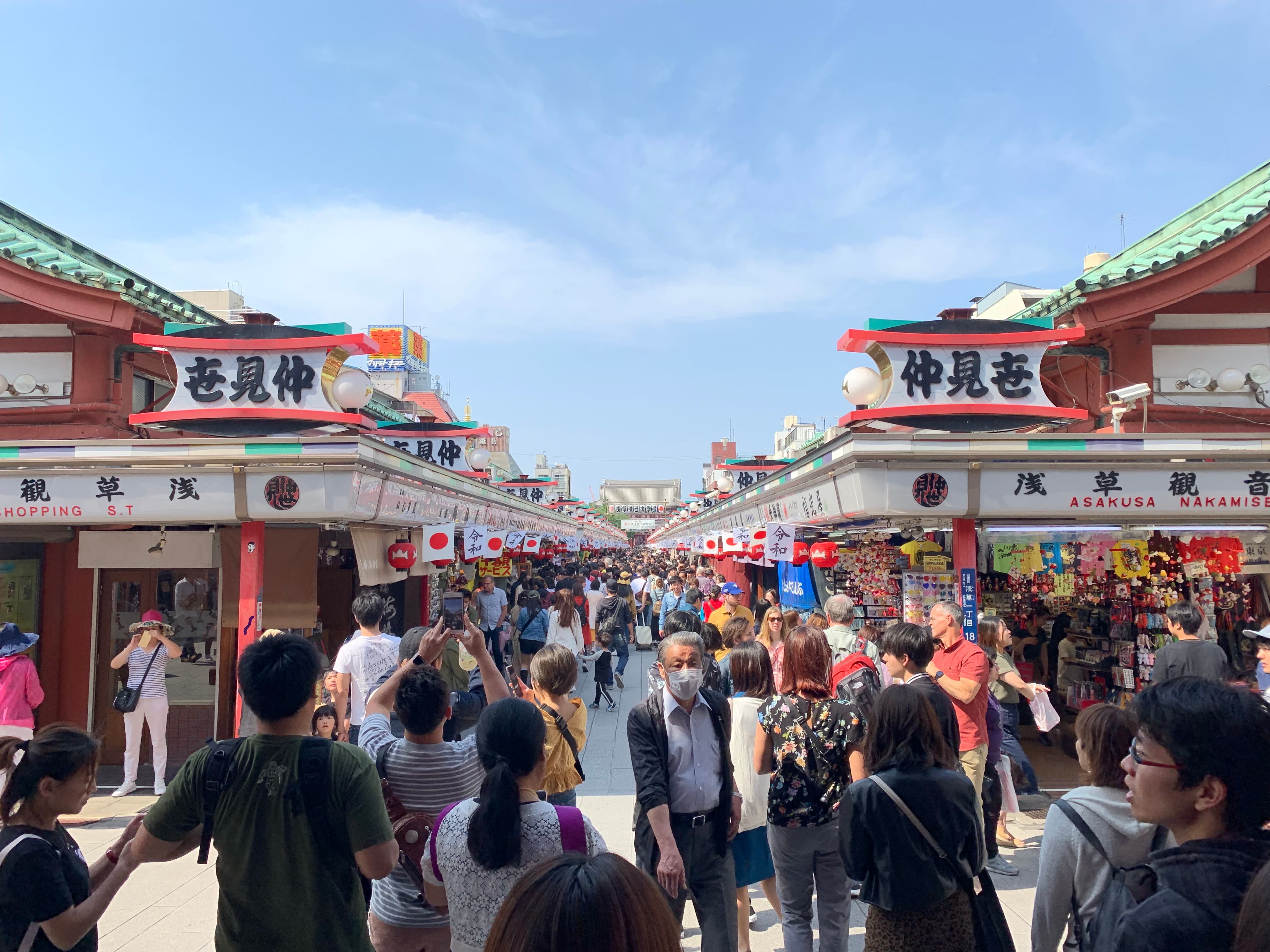
If you want to see anything else, you take the train. From Fuchinobe, Shibuya is about an hour away, one of Tokyo’s busiest places and right at the forefront of style and fashion. Plenty of other neighborhoods are worth seeing too, like Harajuku, Roppongi, Shimokitazawa, or the Imperial Palace, which all make for great weekend trips.
During weekends, people from all over Japan flock to the temples. Buying souvenirs to bring home is practically a national sport.
City trains are comparable to Germany’s S-Bahn, but noticeably cheaper, though that evens out a bit since distances are longer. It’s worth getting a Suica card so you don’t have to buy tickets every time, and once you’re commuting to university three times a week or more, a commuter pass pays off.
The dorm advertises its international friendliness right on its website, and during my time there it was roughly 60% Japanese and 40% from everywhere else, mostly Europeans and, surprisingly, a lot of Thai students. With a few exceptions, the Japanese residents tended to stick to themselves, whether by choice or not, and by the end I was mostly hanging out with the Thai students, several of whom I’m still in touch with.
Traveling
Section titled TravelingJapan has an impressive range of landscapes and climates, from the cold north to the hot south. Beyond the Kyoto trip, it’s worth going into Tokyo as often as you can. There’s no way to see all of it in one semester, but it’s worth trying anyway. There are also mountains nearby worth hiking, and in summer, every self-respecting city puts on festivals with fireworks. Yokohama is also close enough for a weekend trip.
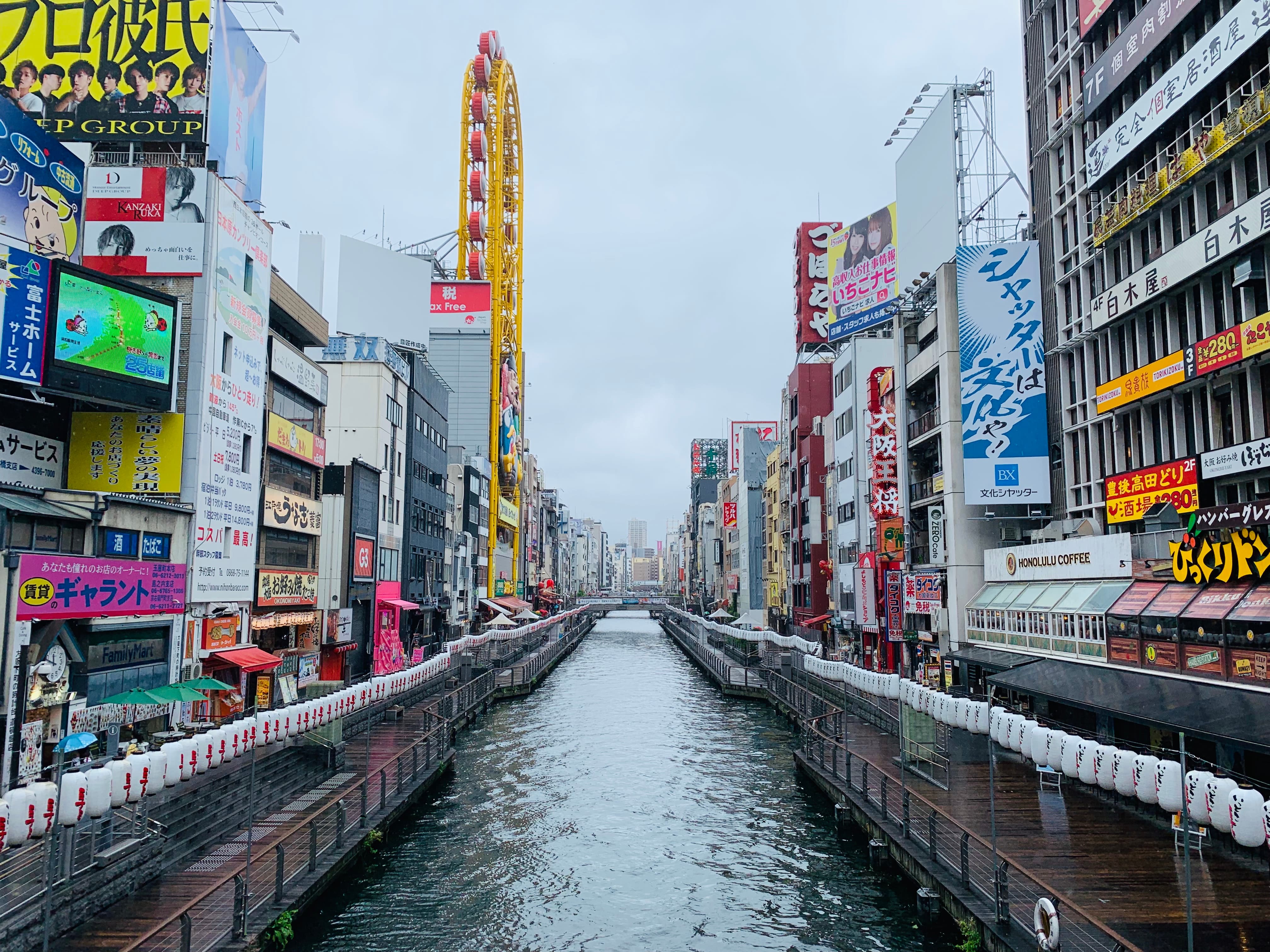
For longer distances, there are buses or the Shinkansen. The Shinkansen is impressively fast and, for the same distance, slightly cheaper than in Germany despite being much quicker. On the main line heading west, a train leaves every few minutes.
It’s absolutely worth staying on after the semester ends, ideally traveling further out to see the variety Japan has beyond Tokyo. On particular spot that I’d like to come back to is Naoshima, an island with many art museums and installations.